
Meta Description: Discover how to design custom printed seed paper packaging boxes, choose suitable printing methods, protect seed viability, and avoid common packaging mistakes.
What Are Custom Printed Seed Paper Packaging Boxes?
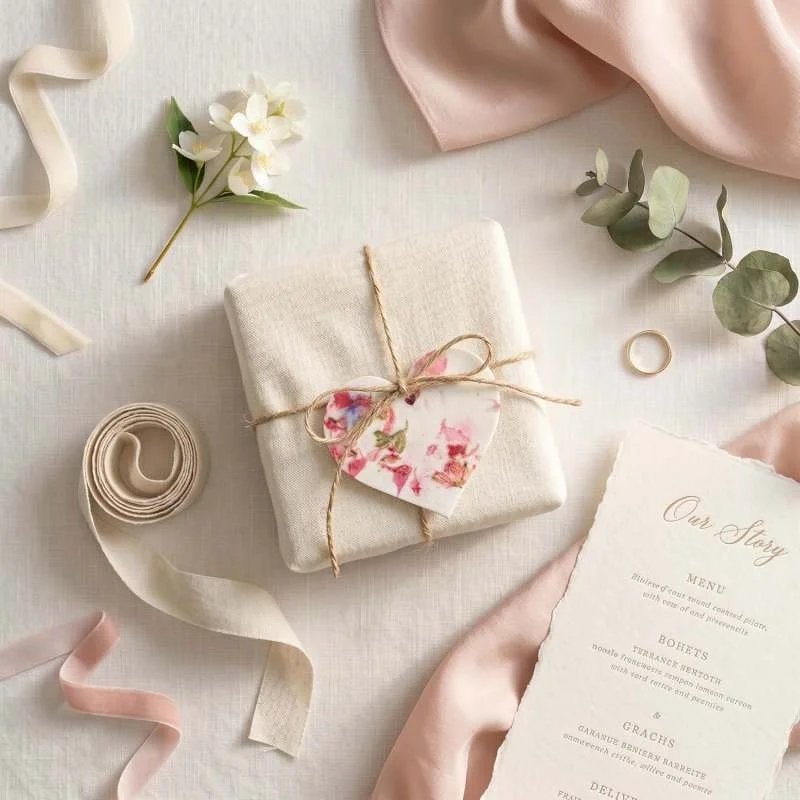
Custom printed seed paper packaging boxes combine printed packaging design with paper that contains seeds. After the packaging has been used, the seed-bearing paper may be planted under suitable conditions, giving it a potential second use.
This type of packaging can be considered for gift packaging, promotional products, event merchandise, brand inserts, and other applications where the planting experience fits the product.
However, seed paper packaging requires more planning than conventional printed paperboard. The design must work as packaging first, while the seeds need to remain viable for the intended planting experience.
Paper composition, seed variety, printing, finishing, storage, and growing conditions can all affect the result.
The goal is not simply to put seeds into a box. It is to create packaging that serves its purpose while giving customers clear, realistic instructions for what to do afterward.
1. Choose the Right Packaging Structure
Before working on the artwork, decide whether seed paper should form the entire box or serve as one component of a larger packaging design.
Fully Seed Paper Boxes
A box made primarily from seed paper may be appropriate for certain lightweight products and applications. Its suitability depends on the paper structure, folding requirements, product weight, and handling conditions.
Seed paper can have a different surface texture and structural behavior from conventional paperboard. Folds, narrow tabs, glue areas, and complex die-cut shapes should be evaluated before the design is finalized.
Do not assume that a structure designed for standard card stock will perform identically when made from seed paper.
Seed Paper Sleeves and Wraps
Using seed paper as an outer sleeve, wrap, belly band, or decorative panel can be a practical alternative.
A separate inner box can provide most of the required structural protection, while the seed paper creates a distinctive customer experience.
This approach may be useful when the product needs more protection than the seed paper alone can reliably provide.
Inserts and Promotional Components
Seed paper can also be used for inserts, tags, cards, or printed messages included with a conventional package.
These elements allow a brand to introduce a planting experience without requiring every part of the package to be made from seed paper.
The correct format depends on the product, the purpose of the packaging, and what customers are expected to do with the seed-bearing material afterward.
2. Select Suitable Seeds and Paper
Seed selection should happen early in the design process because different seeds have different requirements.
Identify the Seed Varieties
Ask which seed species are incorporated into the paper. Generic descriptions such as “wildflower seeds” may not provide enough information for buyers to evaluate planting suitability.
Different plants have different requirements for soil, light, temperature, moisture, and germination.
Some species may also be restricted or unsuitable for particular regions. If the packaging will be distributed internationally, consider the rules and environmental conditions in the intended markets.
Understand the Paper Composition
The fibers used in seed paper influence the sheet’s texture, strength, formation, and printing behavior.
Recycled fibers and other plant-based fibers may be used depending on the product, but the term “seed paper” does not establish the exact composition.
For custom printed packaging, confirm the material specifications and assess whether the paper suits the intended box structure.
Consider Seed Distribution and Density
The way seeds are distributed through the paper can affect appearance, consistency, and the planting experience.
A high concentration of visible seeds is not automatically an indication of better germination. Seed viability and the conditions after planting are also important.
The material should be evaluated as a complete product rather than judged by appearance alone.
3. Printing Choices Can Affect Plantability
Printing is one of the most important considerations when developing custom printed seed paper packaging boxes.
The finished paper may be exposed to inks, drying or curing conditions, mechanical pressure, coatings, and other manufacturing processes. Depending on the seeds and process, these factors may influence seed viability.
Choose Inks Carefully
Water-based and vegetable-oil-based inks may be options worth discussing with a seed paper manufacturer.
However, an ink’s general category does not guarantee that the finished paper will remain suitable for planting. The specific formulation, coverage, application method, and drying conditions matter.
Before finalizing a printing specification, ask:
- Which ink system will be used?
- Is the process suitable for the selected seed varieties?
- Has germination been evaluated after printing?
- Are test results available for the same or a comparable finished product?
Avoid assuming that an ink described as environmentally friendly is automatically safe for every seed paper application.
Be Careful with Heavy Ink Coverage
Large solid areas and dense printed graphics can change the surface characteristics of seed paper. Depending on the ink and process, they may also affect moisture access or seed viability.
This does not mean every heavily printed area will prevent germination. The outcome depends on the material, ink formulation, production conditions, and seed variety.
If plantability is important, consider whether the artwork can use lighter coverage or leave some seed-bearing areas less heavily printed.
The most reliable approach is to test the actual printed design rather than relying on a general rule.
Plan Artwork Around the Box Structure
As with conventional packaging, the dieline should be confirmed before the artwork is finalized.
Check the position of logos, text, folds, cut lines, and glue flaps. A design that looks good when flat may not work well when the box is assembled.
Seed paper introduces an additional consideration: the printed design should support the intended planting experience as well as the appearance of the package.
4. Understand Coatings and Special Finishes
Coatings and decorative finishes can affect how paper interacts with moisture and soil.
Laminations and Heavy Coatings
Plastic laminations and certain heavy coatings may create barriers that affect water absorption or paper breakdown.
If the paper is intended to be planted after use, evaluate whether these finishes are necessary. Their suitability should be assessed for the complete product, not assumed from the properties of the uncoated paper.
Foil Stamping and Embossing
Foil stamping, embossing, and debossing can add visual interest, but they introduce additional processing conditions.
Foil stamping may involve localized heat and pressure, while embossing and debossing apply mechanical pressure to the paper.
Whether these techniques are suitable depends on the material, equipment, processing settings, and seed placement. Test the actual design before relying on a premium finish.
Keep the Design Purposeful
Adding more decorative effects does not necessarily create better packaging.
Choose finishes that support the brand and remain compatible with the product’s practical requirements. If planting is central to the concept, avoid making the design unnecessarily difficult to test or use.
5. Protect the Packaging During Storage and Shipping
Moisture management matters because seed paper contains living seeds and may be more sensitive to environmental conditions than conventional packaging materials.
Excessive moisture can soften the paper, affect folds and adhesive joints, and potentially create unfavorable conditions for seed storage.
Store the Paper Appropriately
Follow the storage recommendations for the specific seed paper product. Protect it from damp environments and unsuitable temperatures, and avoid assuming that every seed variety has the same storage requirements.
Evaluate the Complete Shipping Package
If the seed paper will be part of a shipping box, assess how the package performs under expected handling conditions.
Check the structure, closure, internal fit, and protection provided to the product. If a conventional inner box is used, ensure that the overall design and materials work together.
Protective packaging can help preserve the product during transportation, but it should be considered alongside the intended planting method and end-of-life instructions.
Do Not Confuse Shipping Performance with Germination
A box that survives shipping has not necessarily demonstrated successful germination. Likewise, a paper sample that germinates does not prove that the box can protect the product.
These are separate performance questions and should be tested separately.
6. Test the Finished Product Before Scaling Up
A limited trial can help identify design and manufacturing issues before a larger production run.
Test Structural Performance
Use the intended product and internal packaging. Check whether the box folds correctly, remains closed, holds the product securely, and withstands representative handling.
Where shipping is involved, evaluate the package under conditions appropriate to the distribution route and the risks associated with the product.
Test Printing and Planting Performance
Compare printed and unprinted samples from the same seed paper batch under similar storage and planting conditions.
Record the seed varieties, printing process, sample size, planting instructions, observation period, and results.
This comparison can help identify potential effects associated with printing or finishing, although a small trial cannot guarantee identical results across every production batch.
Use Evidence, Not Unqualified Percentages
A single germination percentage is difficult to interpret without knowing the seed varieties, test method, sample size, and growing conditions.
Ask for relevant test information about the actual finished paper. Do not assume that a result from unprinted paper automatically applies to a printed and finished box.
7. Is Seed Paper Packaging Compostable as Well as Plantable?
Plantability and compostability are different properties.
Plantability concerns whether seeds in the paper can germinate under suitable conditions. Compostability concerns whether the materials break down under the relevant composting conditions.
A seed paper component may be suitable for planting without establishing that the entire assembled package is compostable. Other components, including adhesives, coatings, labels, or laminations, may affect the package’s end-of-life options.
When evaluating sustainability claims, ask which parts of the package are covered by the claim and what evidence supports it.
Avoid treating “contains seeds,” “plantable,” “biodegradable,” and “compostable” as interchangeable terms.
Clear material information and realistic instructions help customers understand how the packaging is intended to be used after its initial purpose is complete.
8. Common Design Mistakes to Avoid
Finalizing the Artwork Before Confirming the Dieline
Changes to the box structure can require substantial artwork revisions. Confirm the construction and dimensions first.
Assuming Every Ink Is Plantable-Safe
An ink label alone does not prove that seeds will remain viable. Evaluate the actual ink and production process.
Printing Every Area Heavily
Dense coverage may introduce avoidable uncertainty. Consider the design requirements and test the finished printed paper.
Adding Finishes Without Evaluating Their Effects
Coatings and decorative processes may influence moisture absorption, paper breakdown, or seed viability. Test the complete product.
Ignoring Moisture and Storage
Even a well-designed product can perform poorly if it is stored in unsuitable conditions.
Making Unqualified Environmental Claims
Avoid promising that every box will grow successfully or that the entire package is compostable without supporting evidence.
Skipping Practical Testing
A screen proof does not establish structural performance or successful planting. Evaluate the finished product before committing to larger production volumes.
9. A Buyer Checklist
Before finalizing custom printed seed paper packaging boxes, confirm the following:
- Which seed varieties are incorporated into the paper?
- Is the box structure suitable for the product and its shipping conditions?
- What fibers and paper specifications are used?
- Which printing method and ink system will be applied?
- Has the finished printed paper been evaluated for germination?
- Are coatings, laminations, or decorative finishes necessary?
- What storage conditions are recommended?
- Are the planting instructions suitable for the selected seeds?
- Have structural performance and planting performance been assessed separately?
- Are plantability and compostability claims supported by appropriate evidence?
These questions provide a more reliable basis for evaluating the packaging than appearance or general environmental language alone.
Final Thoughts
Custom printed seed paper packaging boxes bring together packaging design, paper materials, printing, and seed viability. Each element must work with the others for the intended experience to succeed.
The best results come from choosing an appropriate structure, understanding the seeds and paper, evaluating the printing process, protecting the material during storage, and testing the finished product.
Seed paper can offer a distinctive second use for packaging, but it is not a universal replacement for conventional box materials. Thoughtful design and evidence-based testing help ensure that the packaging is practical, attractive, and realistic about what customers can expect after planting it.
