
Kraft vs Seed Paper: Choosing the Right Eco Packaging
When your brand commits to sustainability, every packaging choice matters. Two popular options for US B2B buyers are kraft paper and seed paper. Both are eco-friendly, but they serve different purposes, budgets, and brand messages. This guide compares kraft vs seed paper across materials, customization, MOQ, and US market fit—so you can make a confident, cost-effective decision for your next packaging run.
What Is Kraft Paper Packaging?
Kraft paper is made from wood pulp through the kraft process, which produces a strong, tear-resistant material with a natural brown or bleached finish. It’s widely used for rigid boxes, mailer boxes, and paper bags. For custom packaging, kraft offers a rustic, minimalist aesthetic that appeals to organic brands, food companies, and retailers looking for a recyclable, biodegradable solution.
What Is Seed Paper Packaging?
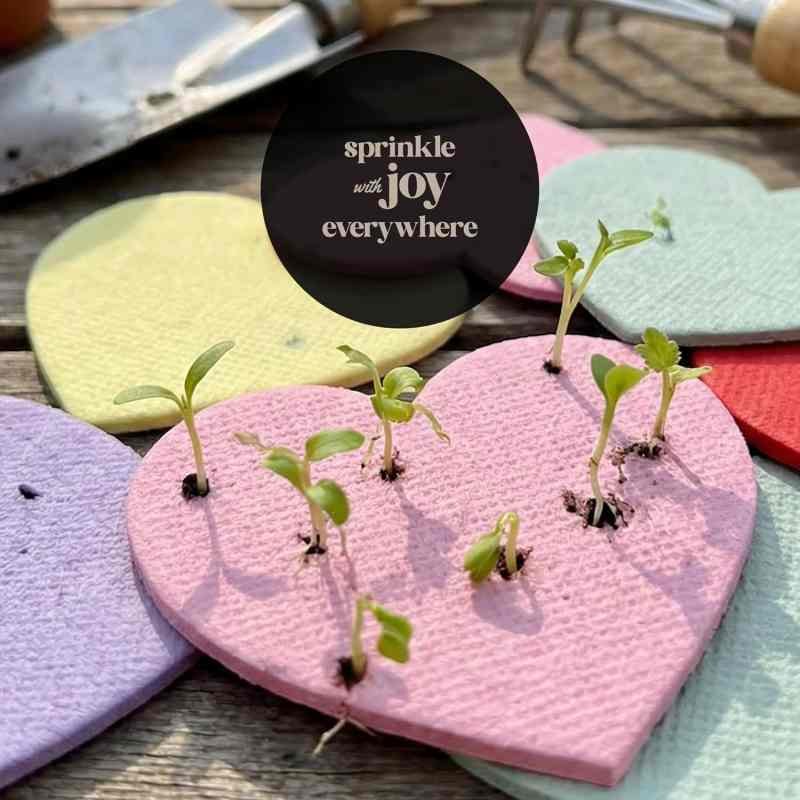
Seed paper is a biodegradable paper embedded with wildflower, herb, or vegetable seeds. After use, the paper can be planted in soil, and with water and sunlight, it sprouts into plants. This makes it a memorable, interactive packaging element—perfect for inserts, hang tags, or small gift boxes. Seed paper is typically made from recycled paper pulp and non-invasive seeds, ensuring it breaks down naturally.
Kraft vs Seed Paper: Key Differences at a Glance
- Material strength: Kraft is highly durable and can support heavier products; seed paper is thinner and more fragile.
- End-of-life: Kraft can be recycled or composted; seed paper must be planted to fulfill its eco-purpose.
- Cost: Kraft is generally more cost-effective for large volumes; seed paper carries a premium due to its specialty nature.
- Customization: Both allow printing and embossing, but seed paper is best for flat items like tags or wraps.
- Brand impact: Kraft says “natural and sturdy”; seed paper says “innovative and eco-committed.”
Customization Options for Kraft and Seed Paper
Kraft packaging can be fully customized in size, shape, and structure. You can add windows, inserts, ribbons, or magnetic closures. Printing options include offset, digital, foil stamping, and debossing. For a premium feel, pair kraft with a matte laminate or soft-touch coating—though that may reduce recyclability, so weigh your eco goals.
Seed paper is typically used for flat items like bookmarks, tags, or envelope liners. You can print logos and messages with soy-based inks, and choose from a variety of seed mixes (e.g., wildflower, clover, or basil). However, seed paper is not ideal for structural packaging—it lacks the rigidity needed for boxes. Instead, combine it with a kraft box as a unique insert or closure label.
Durability and Usability in the US Market
US buyers often prioritize packaging that protects products during transit and storage. Kraft excels here—it’s tear-resistant, moisture-resistant (with coatings), and can handle high stacking. Seed paper, on the other hand, is best for low-weight items like cosmetics, jewelry, or stationery. If you ship fragile goods, use kraft as the primary box and add a seed paper thank-you card or seed-embedded wrap as a secondary touch.
Cost and MOQ Considerations
For B2B orders, cost per unit is critical. Kraft paper is a commodity material, so pricing is competitive, and you can order larger quantities without breaking the bank. Seed paper is a niche product with higher material and processing costs. Typical MOQs for custom seed paper are higher per unit, but because it’s often used for small items, you may order fewer pieces.
At BlissPulp, we offer a factory-direct MOQ of 500 pieces for both kraft and seed paper packaging. This low MOQ allows US brands to test new designs without overcommitting inventory. For seed paper, we can produce custom shapes and sizes, but we recommend starting with standard tags or inserts to manage costs.
US Market Trends: What Buyers Are Choosing
In the US, consumer demand for sustainable packaging is rising. A 2023 survey showed that over 70% of shoppers are willing to pay more for eco-friendly packaging. Kraft is a safe, proven choice—it’s recognized as recyclable and compostable. Seed paper is a differentiator: it creates a “wow” factor and encourages social sharing, which is valuable for brands targeting millennials and Gen Z.
However, be aware of greenwashing concerns. Some US retailers require clear disposal instructions. Seed paper must be labeled with planting instructions, and kraft should be marked as recyclable if it’s uncoated. Working with a supplier who understands these nuances is essential.
Sourcing Tips for US B2B Buyers
- Verify material certifications: Look for FSC-certified kraft and seed paper that uses non-GMO seeds.
- Ask about ink and coatings: Soy-based inks and water-based coatings keep packaging compostable.
- Test structural integrity: For kraft boxes, request a “drop test” report if shipping heavy items.
- Plan for seed paper’s shelf life: Seeds can lose viability if exposed to heat or moisture—store packaging in a dry, cool place.
- Consider hybrid designs: Use kraft for the box and seed paper for the inner card—this balances cost and impact.
Why Choose BlissPulp for Your Eco Packaging
BlissPulp is a factory-direct custom packaging manufacturer based in Wenzhou, China, with a strong focus on serving US B2B buyers. We specialize in custom gift boxes made from kraft and other eco-friendly materials, as well as seed paper packaging that turns your packaging into a living brand experience.
Our low MOQ of 500 pieces means you can launch a sustainable packaging line without massive upfront costs. We handle custom branding—logos, embossing, and unique structural designs—so your packaging stands out on US shelves. Our team is experienced in export compliance, and we provide clear communication throughout the process.
Ready to choose between kraft and seed paper for your next project? Request a quote today and let’s create eco packaging that your customers will love and remember.
Final Thoughts
Kraft vs seed paper isn’t about which is “better”—it’s about which fits your product, budget, and brand story. Kraft is the workhorse of eco packaging, offering durability and cost efficiency. Seed paper adds an unforgettable, interactive layer that reinforces your sustainability commitment. Many brands combine both to maximize impact. With BlissPulp’s low MOQ and customization expertise, you can test either option—or a hybrid—with confidence.
