
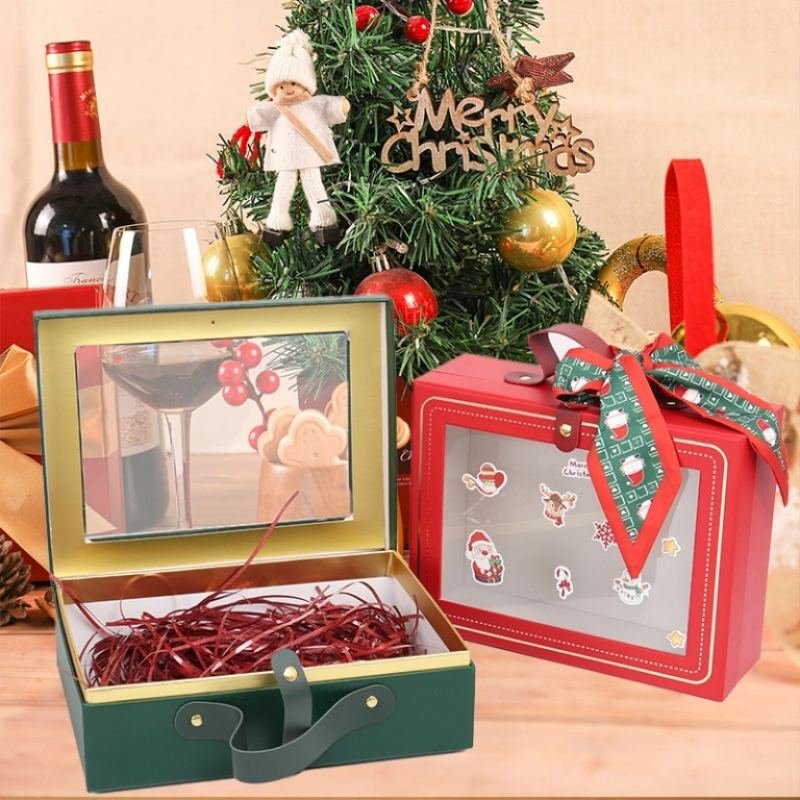
A window box is a custom rigid or folding carton with a die-cut opening covered by a clear film, designed to let customers see the product inside without opening the package—and it is one of the most effective ways to increase shelf appeal and perceived value for premium goods. For US purchasing managers and brand owners, choosing the right window box means balancing visual impact, structural integrity, and cost. This guide covers customization options, materials, MOQ realities, and US market trends to help you source smarter.
Why US B2B Buyers Choose Window Boxes
In a crowded retail environment, a window box does the selling before a customer touches the product. Studies consistently show that visible product increases conversion rates, especially for cosmetics, food, and small electronics. For B2B buyers, the strategic advantage is threefold: reduced packaging waste (no need for extra outer wraps), faster shelf recognition, and a premium unboxing experience that supports higher price points. Whether you are packaging artisanal chocolates, skincare jars, or boutique candles, a die-cut window turns a plain carton into a silent salesperson.
Die-Cut Window Shapes: From Rectangle to Custom
The die-cut shape is the first decision. Standard rectangles and circles are the most economical, but custom shapes—like a heart for Valentine’s candy or a bottle silhouette for spirits—create strong brand recall. Your supplier’s die-cutting capability matters. A well-made die ensures clean edges and consistent film adhesion. When planning, consider the product’s structural weak points; a window should never compromise the box’s stacking strength. For rigid gift boxes, a window on the lid or a side panel works best. For folding cartons, a front-facing window is the norm.
Window Film Options: PET, Acetate, and Eco-Friendly Films
The film covering the window is not an afterthought. Clear PET (polyethylene terephthalate) is the industry standard for its clarity and durability. Acetate offers a slightly more premium feel but can yellow over time. For brands with sustainability goals, biodegradable cellulose films are now available, though they require careful handling during lamination. A critical detail: the film must be glued or heat-sealed without wrinkles or bubbles. Ask your supplier about their film thickness options (typically 0.1mm to 0.3mm) and whether they can add a matte or anti-glare coating for high-end photography products.
Material Selection: Rigid vs. Folding Carton Window Boxes
Your product’s weight and perceived value dictate the material. Custom rigid gift boxes (thick, non-collapsible chipboard) are ideal for luxury items like watches, jewelry, or premium spirits. They offer superior protection and a substantial feel. Folding cartons (single-wall paperboard) are lighter and ship flat, reducing freight costs—best for lighter items like soap bars, tea bags, or snack foods. A hybrid option is a rigid base with a folding lid featuring a window, which balances cost and display appeal.
Customization: Printing, Finishing, and Inserts
Beyond the window, your box’s finish defines the brand experience. Offset printing with CMYK or Pantone matching is standard. Add value with soft-touch lamination, spot UV gloss on the logo, or foil stamping around the window frame to draw the eye inward. Internal branding is equally important—a printed insert or a colored tray (often made from seed paper packaging) can hold the product perfectly and communicate your eco-credentials. Remember, the window shows the product AND the insert, so the insert’s color and fit must be flawless.
MOQ, Pricing, and Cost Drivers for Window Boxes
Minimum order quantity (MOQ) is the biggest barrier for small brands. Many Chinese suppliers require 1,000–5,000 pieces for custom die-cut work. However, factory-direct partners like BlissPulp offer a lower entry point at MOQ 500 pieces, which is ideal for testing new products or seasonal launches. Pricing is driven by four factors: box size (larger = more material), paperboard thickness (measured in pt or mm), film type, and finishing complexity. A standard 8x6x2 inch folding carton with a rectangular window might cost $0.60–$1.20 per unit at MOQ 500, while a rigid box can range $2.50–$5.00. Always ask for a breakdown of die-cut tooling costs (one-time fee) vs. per-unit price.
US Market Context: Trends in Visible Packaging
American consumers increasingly demand transparency—both in branding and in physical packaging. The “try before you buy” mentality drives sales of window boxes in grocery, beauty, and wellness sectors. Additionally, e-commerce brands use window boxes for subscription boxes to create a tactile unboxing moment. For US importers, compliance is straightforward: ensure your film is FDA-approved if it contacts food, and verify that your corrugated or paperboard is recyclable in US municipal streams. Eco-friendly films and recycled paperboard are no longer optional; they are purchase drivers. Aligning your window box with these values is a competitive advantage.
Sourcing Tips for Importing from China
When sourcing window boxes, request a detailed spec sheet before committing. Specify your internal dimensions (product length, width, height plus 2-3mm tolerance). Ask for a physical or digital mockup to check the window alignment. Clarify who owns the die tooling. Ensure your supplier uses food-safe inks if applicable. Most importantly, communicate your freight method (LCL or FCL) early, as folding cartons ship flat to save space. Always ask for a quote that includes tooling costs, packaging for transit, and any export documentation. A reputable factory will share photos of the die-cutting process and film lamination quality checks.
Why BlissPulp for Your Window Box Project
BlissPulp operates a factory-direct model in Wenzhou, China, specializing in rigid gift boxes and eco-friendly paper packaging. We understand the US market’s demand for quality and sustainability without the inflated middleman margins. Our MOQ of 500 pieces allows you to launch a limited edition or test a new retail channel with minimal risk. We offer complete customization—from window shape to film type to custom inserts—and we can integrate seed paper for inserts that grow into wildflowers, reinforcing your brand’s green story. Our team handles complex die-cut tooling and ensures your branding is sharp. Ready to elevate your product’s presence? Request a quote for your next window box run and see how factory-direct pricing transforms your packaging budget.
FAQ
Q: What is the typical MOQ for custom window boxes?
A: Most suppliers require 1,000–5,000 units. BlissPulp offers a low MOQ of 500 pieces, perfect for startups and seasonal products.
Q: Can I use eco-friendly film for my window box?
A: Yes. Biodegradable cellulose films are available. We recommend PET for clarity or cellulose for compostability, depending on your retail waste stream.
Q: How does a die-cut window affect the box’s strength?
A: A well-designed window does not compromise stacking strength if placed away from load-bearing edges. We engineer the die-cut position based on your product’s weight.
