
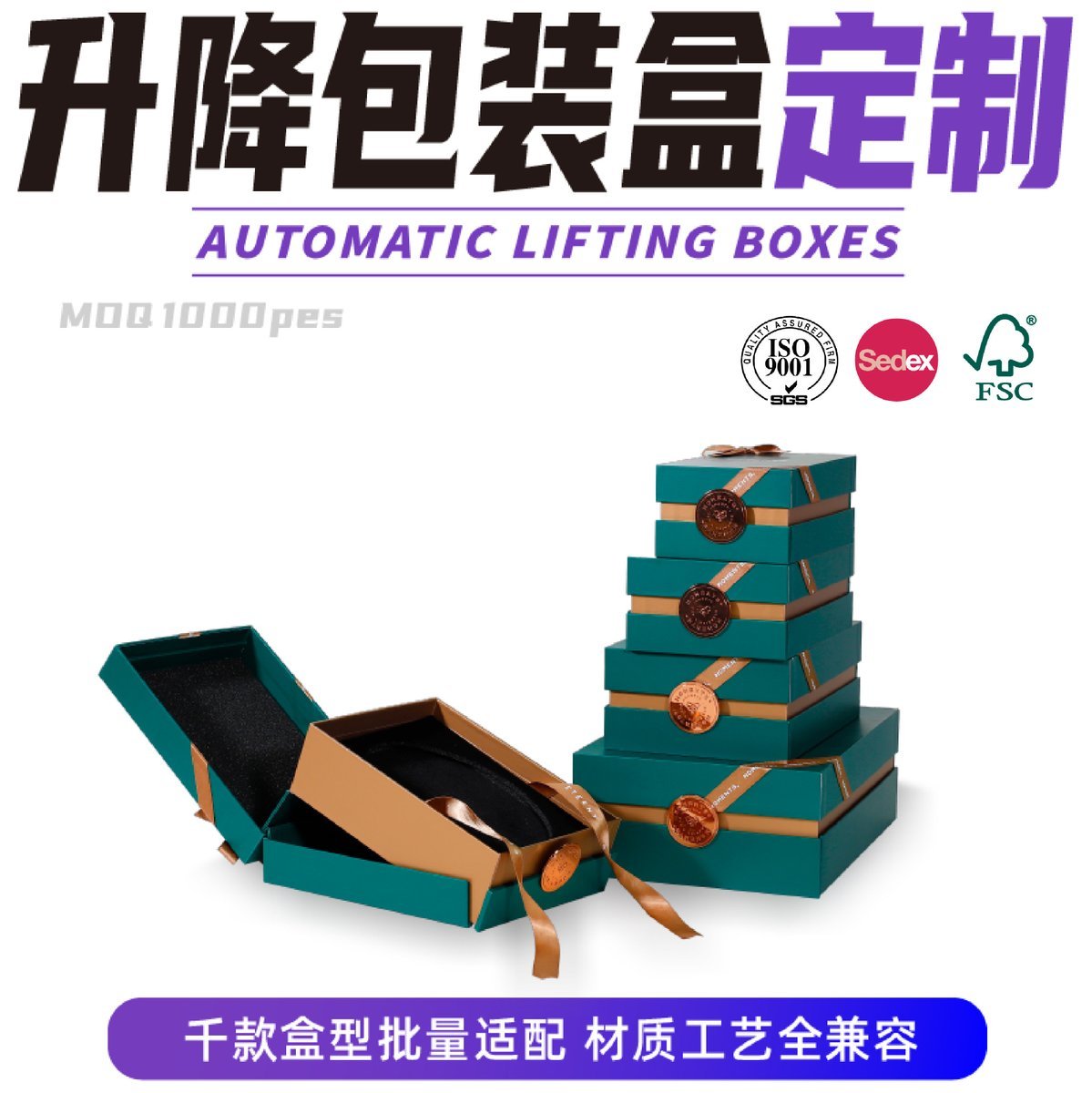
If you’re looking for a flip top box that combines premium aesthetics with practical functionality, the answer is a custom rigid or folding carton with a hinged lid—engineered to your exact brand specs and sourced factory-direct from a trusted Chinese manufacturer. This guide walks you through every decision point, from materials and customization to pricing and supplier selection, so you can order with confidence.
Why a Flip Top Box Works for B2B Brands
A flip top box isn’t just a container; it’s a tactile brand experience. The hinged lid opens smoothly, revealing your product in a staged reveal that feels intentional. For US purchasing managers and brand owners, this style is ideal for:
- Premium unboxing: The magnetic or tuck-top closure adds a satisfying click that customers associate with quality.
- Reusability: Many end-users repurpose flip top boxes for storage, extending your brand’s presence.
- Protection: The rigid structure safeguards fragile items like electronics, cosmetics, or artisan goods.
Unlike standard mailer boxes, a flip top box signals that your product is worth the extra care—a key differentiator in crowded markets.
Key Design Options for Your Flip Top Box
Customization starts with the lid mechanism. You have three main choices:
- Magnetic closure: A built-in magnet keeps the lid securely shut and adds a premium weight.
- Tuck-top flap: A folded flap that tucks into the front—lighter and cost-effective for smaller products.
- Rigid hinged lid: The lid is attached with a fabric or paper hinge, offering a book-like feel.
You can also choose between a one-piece folding carton (flat-packed for shipping) or a two-piece rigid box (lid and base separate). For luxury items, rigid is the way to go; for high-volume retail, folding cartons are more efficient.
Materials That Elevate Your Flip Top Box
The substrate determines both durability and perceived value. Common options include:
- Greyboard (rigid): Thick, dense paperboard (1.5–3mm) that gives a solid, hefty feel.
- Folding carton board: Lighter (300–400gsm) with a smooth printing surface, ideal for standard retail packaging.
- Eco-friendly options: Recycled board or FSC-certified paper for sustainability-focused brands.
For a truly unique touch, consider wrapping the board in textured paper—linen, leather-effect, or recycled kraft. This adds a sensory layer that flat printing can’t achieve.
Printing and Finishing: Make It Pop
Your flip top box is a canvas. Offset printing offers crisp, vibrant colors, while digital printing is perfect for short runs with variable data. Finishing touches that drive perceived value include:
- Soft-touch lamination: A velvet-matte feel that resists fingerprints.
- Spot UV: Glossy highlights on logos or patterns against a matte background.
- Foil stamping: Metallic gold, silver, or rose gold for a luxury edge.
- Embossing/debossing: Raised or recessed textures that add dimension.
Don’t forget the interior—printed messages, foam inserts, or a ribbon pull can turn an ordinary box into a keepsake.
Customization: Beyond the Box
Your flip top box can be tailored to your product’s exact dimensions. Add custom inserts made of paper pulp, foam, or corrugated board to hold items securely. For a sustainable angle, consider seed paper packaging—a plantable insert or wrap that reinforces your eco-credentials. This is a powerful differentiator for brands targeting environmentally conscious consumers.
You can also integrate a ribbon or elastic band to keep the lid closed without magnets, or add a window to showcase the product. Every detail, from the corner shape to the lid width, can be adjusted to match your brand’s personality.
Pricing Factors: What Determines the Cost
Pricing for a custom flip top box varies widely based on:
- Material type: Rigid greyboard costs more than folding carton board.
- Size and complexity: Larger boxes and intricate die-cuts increase cost.
- Finishing: Foil stamping and embossing add premium costs.
- Order quantity: While we don’t emphasize minimums, larger runs naturally lower per-unit costs.
As a rule, expect to pay between $0.50 and $5.00 per box for mid-range customization, with rigid boxes at the higher end. Factory-direct sourcing from China can reduce costs by 30–50% compared to domestic suppliers, without compromising quality.
US Market Context: Trends and Compliance
US buyers are increasingly prioritizing sustainability—73% of consumers say they’d pay more for eco-friendly packaging. A flip top box made from recycled or FSC-certified materials aligns with this trend. Additionally, ensure your packaging complies with FDA regulations if it contacts food, and consider child-resistant closures for certain products.
Also, think about shelf appeal. In retail, a flip top box with bold graphics and a unique texture stands out against standard tuck-end cartons. For e-commerce, durability is key—your box must survive shipping without damage.
Sourcing Tips: How to Choose a Supplier
When sourcing flip top boxes from overseas, follow these steps:
- Request a quote with detailed specs: Include dimensions, material, finish, and quantity.
- Ask for material certifications: FSC, recycled content, or FDA compliance.
- Review their portfolio: Look for similar packaging projects in your industry.
- Communicate your brand values: A supplier who understands your market will offer better design suggestions.
Working with a factory-direct manufacturer like BlissPulp gives you direct access to production teams, eliminating middlemen and ensuring faster iteration on design.
Why Choose BlissPulp for Your Flip Top Box
BlissPulp is a factory-direct custom packaging manufacturer based in Wenzhou, China, specializing in custom gift boxes and eco-friendly paper packaging. We offer:
- Full customization: From structural design to finishing touches, we build your box to spec.
- Sustainable options: FSC-certified paper and recycled materials are available.
- Direct pricing: No middlemen—you pay factory costs.
- US-market expertise: We understand US consumer preferences and compliance needs.
Ready to impress your customers? Get a quote today and let’s create a flip top box that elevates your brand.
FAQ
Q: What is the typical minimum order for a custom flip top box?
A: Minimums vary by design and material. Rigid boxes often require 500 units, while folding cartons can start at 1,000. We’ll advise based on your project.
Q: Can I get eco-friendly materials for my flip top box?
A: Yes, we offer FSC-certified paper, recycled board, and plantable seed paper inserts. These options appeal to sustainability-minded customers.
Q: How do I ensure my flip top box stands out on the shelf?
A: Combine unique textures (soft-touch, linen) with spot UV or foil stamping. Add a magnetic closure for a premium feel and consider embossing your logo.
