Candle packaging boxes are custom-printed rigid or folding cartons designed to hold jar, pillar, tin, and votive candles safely while elevating retail shelf presence and unboxing. The best choice depends on candle weight, wax type, fragrance, and your brand positioning—typically a rigid box with insert for premium, or a folding carton for value lines.
Why Candle Packaging Matters for US Brands
Candles are sensory products, and packaging is the first sensory touchpoint. For US purchasing managers, the box must protect glass and wax through shipping, comply with labeling norms, and communicate scent, burn time, and brand story. A well-engineered candle packaging box reduces breakage claims, improves retail readiness, and supports premium pricing. In a crowded market, structural and print choices directly influence sell-through.
Common Candle Packaging Box Sizes
Standard sizes align with popular vessel formats. Use these as starting points, then customize to your exact jar or pillar dimensions with 2–3 mm clearance for inserts and wrap.
- Small votive/tea light: 2 × 2 × 2 in to 3 × 3 × 3 in
- 4 oz tin or jar: 3 × 3 × 3 in to 3.5 × 3.5 × 3.5 in
- 8 oz jar: 4 × 4 × 4 in to 4.5 × 4.5 × 4.5 in
- 12–16 oz 3-wick jar: 5 × 5 × 5 in to 6 × 6 × 6 in
- Pillar/tapers: 2.5 × 2.5 × 6 in to 3 × 3 × 12 in
Multi-candle gift sets often use a rigid box with die-cut insert; single jars can use a folding carton with a locking base. Always confirm interior dimensions after insert tooling.
Material Options for Candle Boxes
Material choice balances protection, sustainability, and perceived value.
- Rigid chipboard (greyboard) wrapped in paper: Premium feel, excellent crush resistance, ideal for gift sets and luxury candles.
- Folding carton (SBS or FBB): Lightweight, cost-effective, printable, good for single jars and retail peg displays.
- Kraft or recycled board: Natural look, strong eco story, pairs well with soy or coconut wax brands.
- Corrugated mailer: Direct-to-consumer shipping without an outer box; add a printed sleeve for branding.
- Seed paper and molded pulp inserts: Plantable, compostable, and highly shareable—see seed paper packaging options.
For fragrance-heavy candles, avoid uncoated interiors that can absorb scent; a coated or laminated interior liner helps preserve aroma.
Design & Customization Options
Custom candle packaging boxes can be tailored across structure, print, and finish. Consider these levers:
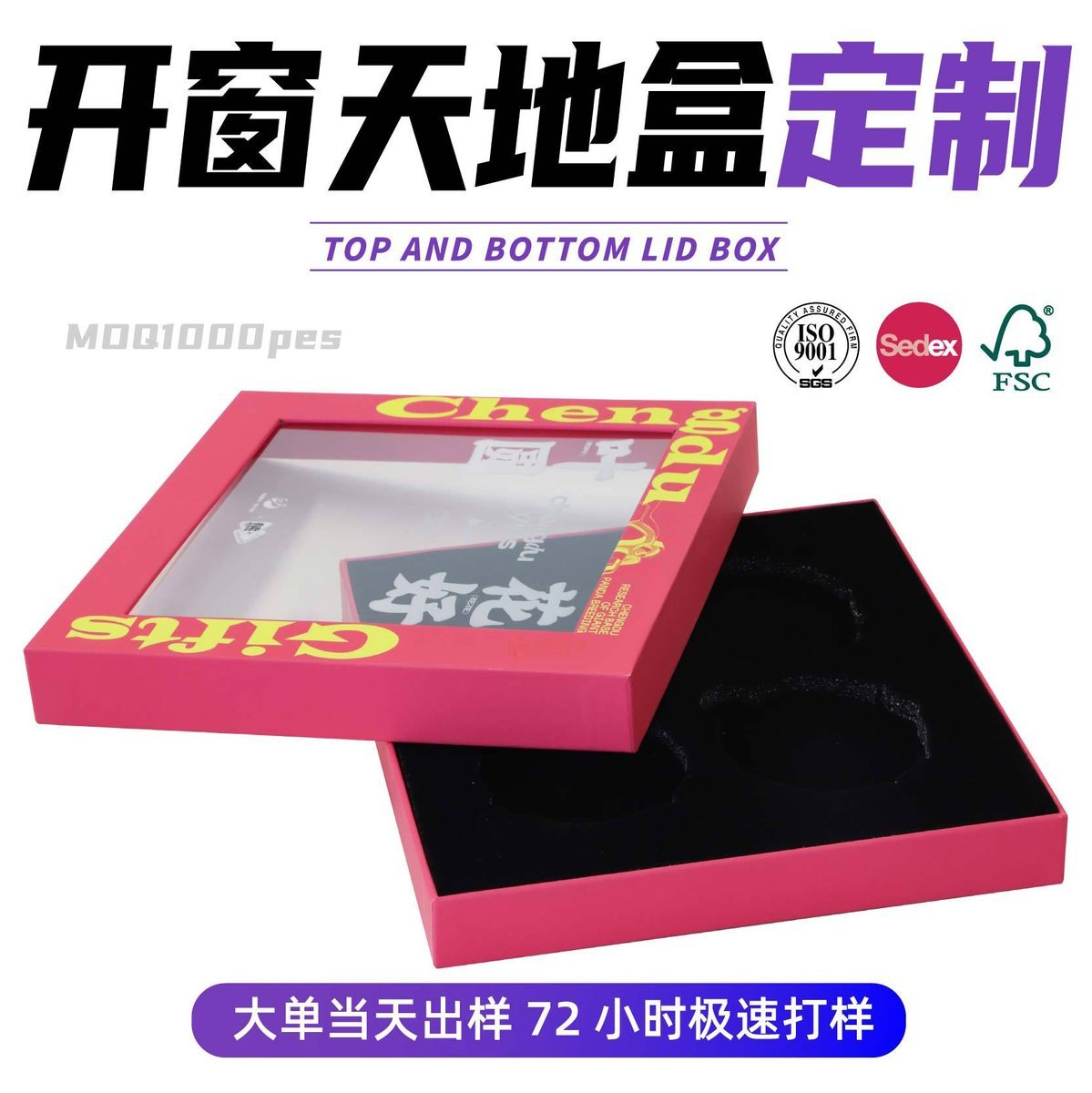
- Structure: two-piece lid-and-base, magnetic closure, drawer slide, tuck-top, or sleeve-and-tray.
- Inserts: die-cut EVA foam, molded pulp, cardboard cradle, or seed paper cushioning.
- Print: CMYK, Pantone spot, or digital for short runs; foil stamping and embossing for luxury cues.
- Finishes: soft-touch lamination, matte/gloss varnish, spot UV, and textured uncoated stocks.
- Windows: PET or PLA film to show the vessel; consider a die-cut window for a greener look.
- Labeling: safety warnings, burn instructions, fragrance notes, and batch codes.
Keep dielines simple for cost efficiency, and standardize box footprints across scents to simplify inventory and shelf merchandising.
Pricing Guidance for B2B Buyers
Unit cost is driven by size, board grade, insert complexity, print method, and finishing. As a planning benchmark, folding cartons are the most economical, rigid boxes sit mid-to-premium, and magnetic or drawer-style rigid boxes with custom inserts are the highest. Foil, embossing, soft-touch, and custom inserts each add cost. Consolidating SKUs to shared box sizes and standardizing inserts typically yields the best savings. For accurate budgeting, request a quote with your dimensions, material preference, print coverage, and target quantity.
US Market Context & Compliance
US buyers increasingly expect recyclable or compostable packaging, clear material labeling, and FSC-certified paperboard. Retailers may require shelf-ready packaging with UPC placement and case-pack specs. For e-commerce, design for drop-test resilience and consider a right-sized mailer to reduce dimensional weight. Scent-sensitive consumers appreciate sealed or lined boxes that preserve fragrance. If you sell into states with extended producer responsibility (EPR) programs, document material weights and recyclability claims accurately.
Sourcing Tips: Choosing a Packaging Supplier
Evaluate suppliers on structural engineering capability, print consistency, material certifications, and communication. Ask for their approach to dieline revisions, color matching, and quality control. For factory-direct sourcing from China, confirm FSC chain-of-custody, request a quote with clear specs, and plan a small order to validate fit and print before scaling. Review their experience with candle-specific challenges like wax migration, glass breakage, and fragrance retention. For broader premium options, see custom gift boxes.
Factory-Direct Custom Candle Packaging from BlissPulp
BlissPulp is a factory-direct custom packaging manufacturer in Wenzhou, China, serving US B2B buyers. We produce rigid gift boxes, folding cartons, and eco paper packaging with full-color branding, foil, embossing, and custom inserts. FSC-certified paperboard and seed paper options are available for sustainability-focused brands. Our team supports structural design, dieline development, and print consistency so your candle packaging boxes arrive retail-ready. Share your specs to get a tailored quote and move from concept to carton with one manufacturing partner. Request a quote.
FAQ
Q: What is the best box style for a single jar candle?
A: A folding carton with a locking base is cost-effective and retail-ready; choose a rigid box for premium gifting.
Q: Which materials are most eco-friendly for candle boxes?
A: FSC-certified paperboard, recycled kraft, molded pulp inserts, and seed paper offer strong sustainability with recyclable or plantable end-of-life.
Q: How do I size a candle box correctly?
A: Measure the vessel, add 2–3 mm clearance, and account for insert thickness; confirm interior dimensions before tooling.
