
Cosmetic packaging box design is the process of choosing the right box structure, material, print finish, and insert to protect a beauty product and make it feel premium on shelf and in the customer’s hands. For US B2B buyers, the goal is a repeatable, factory-ready spec that balances brand impact, cost per unit, sustainability claims, and reliable supply.
This guide walks purchasing managers and brand owners through the decisions that shape a cosmetic box project, from structural options to material sourcing and factory-direct pricing.
Start With the Product, Not the Artwork
Before you brief a designer, define the physical realities of the item: dimensions, weight, fragility, and how it will be merchandised. A glass serum dropper, a pressed powder compact, and a lipstick tube each demand different support. Build the dieline around the product first, then let branding fill the space.
Ask your packaging partner to recommend a structure based on the product’s center of gravity and the retail channel. A box that ships well in e-commerce may need extra corner strength, while a box destined for a beauty counter can prioritize a clean, open silhouette.
Cosmetic Packaging Box Structures and Formats
Most beauty brands choose from a small set of proven formats. The right pick depends on price point, unboxing ritual, and how much protection the formula requires.
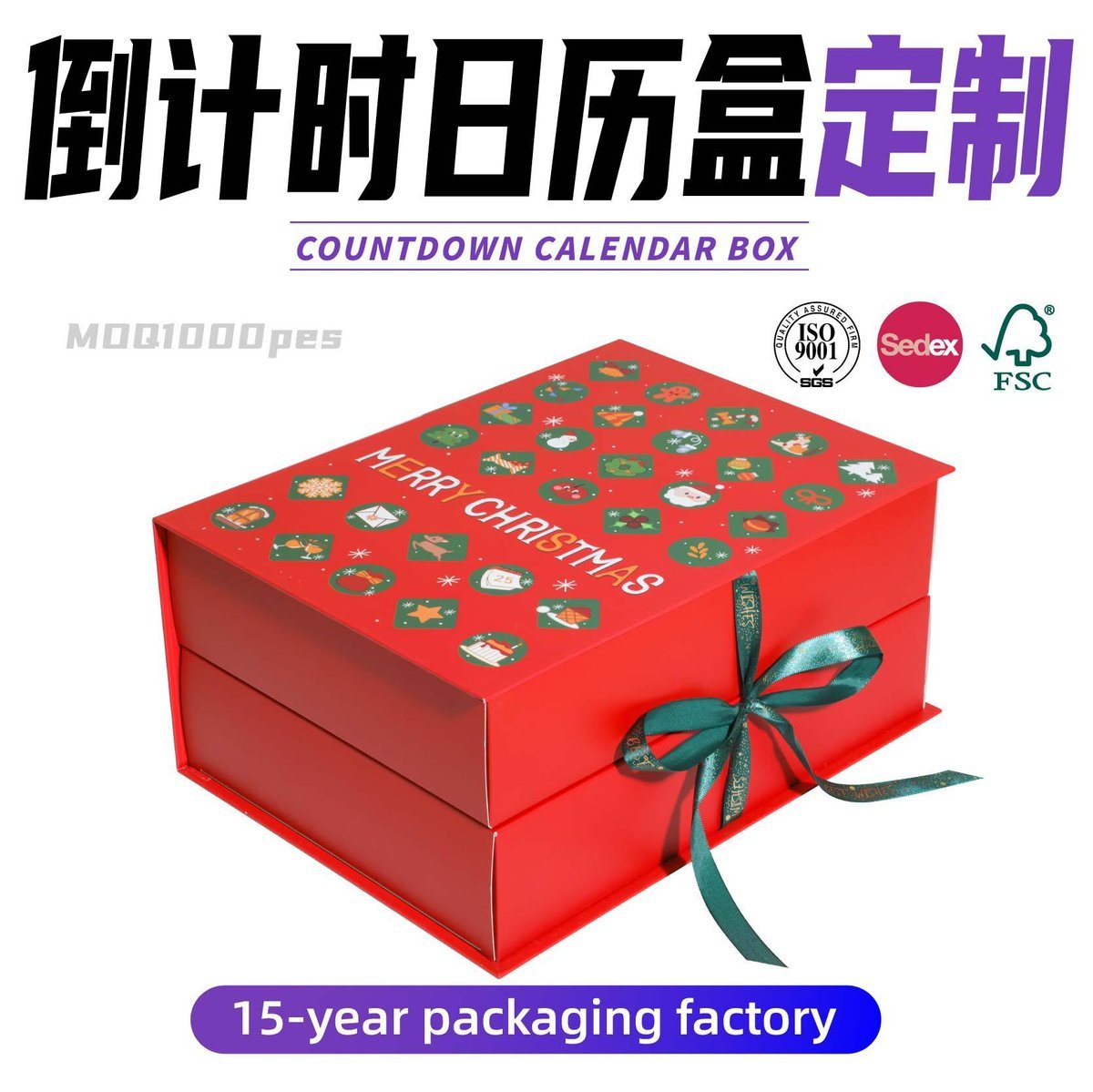
- Rigid gift boxes — the premium standard for skincare sets, fragrance, and holiday kits. Usually wrapped in specialty paper with a magnetic or lift-off lid.
- Folding cartons — lightweight, cost-efficient, and ideal for single-unit retail. Great for high-volume SKUs.
- Rigid boxes with inserts — foam, molded pulp, or paperboard cradles that hold bottles and jars in place.
- Drawer and sleeve boxes — a tactile, gift-like format that suits serums and discovery sets.
- Seed paper and eco paper packaging — plantable or recycled options that support a sustainability story.
If your line includes gift sets, explore custom gift boxes that pair a rigid outer shell with a custom-fit insert.
Materials: Choosing the Right Board and Wrap
Material choice drives both cost and perceived quality. Rigid boxes typically use greyboard wrapped in printed or textured paper, giving a dense, substantial feel. Folding cartons use SBS or FBB paperboard with a coated or uncoated finish. For sustainability-focused lines, recycled board, FSC-certified paper, and seed paper offer credible alternatives.
Consider the print method too: offset for large runs and fine detail, digital for shorter runs and personalization, and specialty processes like foil stamping, embossing, and soft-touch lamination for a luxury finish.
Sustainability and the US Beauty Market
US beauty buyers increasingly expect recyclable or compostable packaging, and retailers are tightening their packaging guidelines. A credible eco story needs more than a green color palette: it needs material documentation, responsible sourcing, and honest claims.
Seed paper packaging, for example, lets a customer plant the box after use, turning disposal into a brand moment. Learn more about seed paper packaging if your brand wants a plantable, tactile differentiator.
Unboxing Experience and Brand Perception
The unboxing moment is where a cosmetic brand earns social sharing and repeat purchase. Design decisions that matter most include:
- Lid resistance and the sound of opening
- Interior printing or a branded tissue layer
- Insert fit so products don’t shift in transit
- Clear, legible regulatory and ingredient text
Keep the exterior minimal and let the interior do the storytelling. A restrained outer box with a printed inner lid often reads as more premium than a busy exterior.
Customization Options to Specify
When you brief a factory, list every variable so pricing is comparable. Common customization levers include size, board thickness, wrap paper, print colors, foil and emboss areas, insert material, and finishing. Branding can extend to the box interior, the insert, and any included card or sleeve.
For a factory-direct partner, the more complete your spec, the more accurate the quote. Include dielines, Pantone references, and any compliance text your US retailer requires.
Pricing Guidance for US B2B Buyers
Cosmetic box pricing is driven by structure complexity, material grade, print method, finishing, and order quantity. Rigid boxes cost more than folding cartons because of labor and board, while specialty finishes like foil and soft-touch add per-unit cost.
To control budget, standardize sizes across SKUs, use one wrap paper family, and consolidate finishing steps. Factory-direct sourcing from a manufacturer in Wenzhou, China, typically reduces per-unit cost versus domestic brokers, especially on custom rigid work.
Sourcing Tips: Vetting a Packaging Supplier
Choose a supplier who can advise on structure, not just print. Look for:
- In-house rigid box and carton capability
- FSC and recycled material options
- Clear quoting with material and finishing line items
- Experience with US beauty brands and retail compliance
Request a quote with your full spec and ask how the factory handles color matching and structural tolerances.
Factory-Direct Custom Packaging From BlissPulp
BlissPulp is a factory-direct custom packaging manufacturer in Wenzhou, China, serving US B2B buyers. We produce rigid gift boxes, folding cartons, and eco paper packaging, including seed paper options, with full custom branding and FSC-certified materials available.
Our team helps you refine the structure, select materials, and finalize finishing so your cosmetic packaging box design is both beautiful and production-ready. Share your product details and target spec, and we’ll prepare a factory-direct quote.
Request a quote from BlissPulp to start your custom cosmetic packaging project.
FAQ
Q: What is cosmetic packaging box design?
A: It is the process of selecting a box structure, material, print finish, and insert that protects a beauty product and presents it as premium to the buyer.
Q: Which box type suits premium cosmetics best?
A: Rigid gift boxes with a custom insert are the most common choice for premium skincare, fragrance, and gift sets because they feel substantial and protect glass.
Q: Can cosmetic boxes be eco-friendly?
A: Yes. Recycled board, FSC-certified paper, and seed paper packaging support sustainability claims while maintaining a premium look.
