
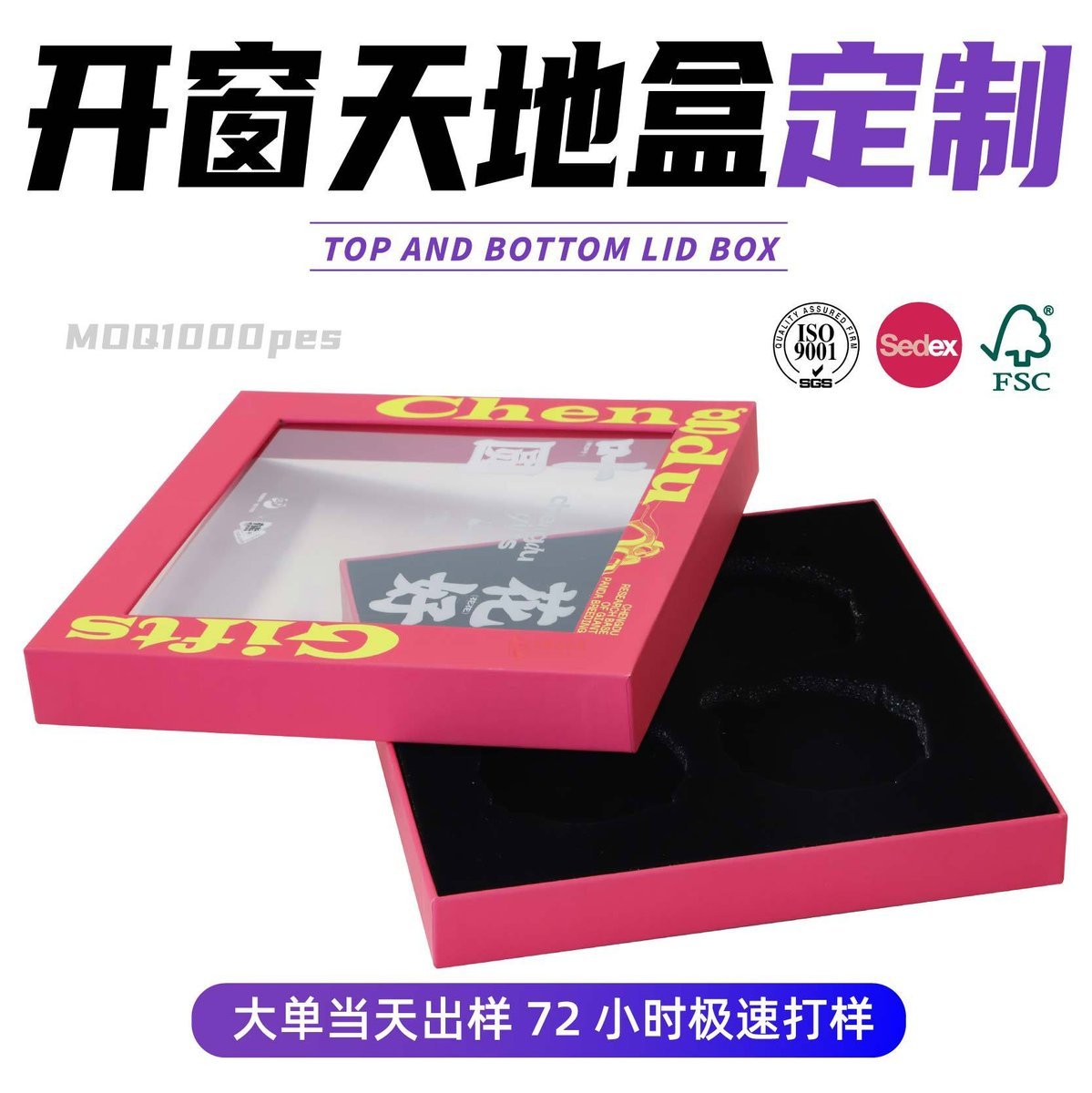
For US B2B buyers, a food-safe chocolate box is a rigid or folding carton made with FDA-compliant, non-toxic materials and food-grade inks that protect confections from contamination, moisture, and grease while enhancing premium shelf appeal. This guide covers material specs, customization options, and factory-direct sourcing strategies to help you choose the right custom packaging for your brand.
Why Food Safety Matters in Chocolate Packaging
Chocolate is sensitive to heat, light, and odor. A standard gift box can impart off-flavors or allow grease to seep through, damaging the product and your brand reputation. Food-safe packaging uses barriers like PET or PLA laminations, or specialized coatings that prevent oil migration from the chocolate to the paperboard.
In the US market, the FDA regulates food contact substances. Your supplier must use inks and adhesives that are low-migration or FDA 21 CFR compliant. Always request documentation of material compliance before placing a bulk order.
Rigid Boxes vs. Folding Cartons for Chocolate
Your choice between a rigid chocolate box and a folding carton depends on product weight, shelf life, and unboxing experience.
- Rigid boxes (set-up boxes): 2mm-3mm thick chipboard wrapped in paper. Ideal for premium truffles, gift sets, and seasonal collections. They offer structural integrity for heavy bars or multiple layers.
- Folding cartons: Lightweight, printed on 300-400gsm art paper or kraft. Cost-effective for single bars, bite-size pieces, or subscription boxes. Easier to store flat before filling.
For a high-end unboxing, a rigid custom gift box with a magnetic closure or ribbon lift is the standard. For everyday retail, a folding carton with a tuck-end or lock-bottom is practical.
Food-Grade Materials and Coatings
Select materials that pass grease resistance and direct food contact tests.
- Kraft paper: Natural brown color, excellent for organic or artisan chocolate brands. Use with a PE (polyethylene) or PLA (plant-based) coating to block grease.
- Art paper (CCNB/CCKB): Coated on one or both sides for vibrant CMYK printing. Add an aqueous or matte lamination to protect against moisture.
- PET or PLA inserts: Clear plastic trays or window film that hold chocolates in place. PLA is compostable, while PET is recyclable in most curbside programs.
For eco-conscious buyers, consider seed paper packaging as an outer sleeve or filler. It adds a plantable branding element without contacting the chocolate directly, keeping the inner box purely food-safe.
Customization: Printing, Embossing, and Inserts
Your chocolate box is a billboard for your brand. Customization goes beyond a logo.
- Printing: Offset printing for fine gradients, digital for short runs, and flexo for simple designs. Use food-safe soy-based inks.
- Finishes: Soft-touch lamination, spot UV gloss, foil stamping (gold or rose gold), and deep embossing create a tactile premium feel.
- Inserts: Molded pulp or die-cut foam (EVA) hold truffles in individual cavities. A fluted paper liner adds cushioning for bars.
- Closures: Magnetic snaps, ribbon ties, or tuck flaps. For chocolate, a tight-fitting lid prevents air exposure and extends shelf life.
When designing, account for the chocolate’s weight. A 12-piece truffle set needs a stronger insert and thicker board than a single 100g bar.
Pricing Guidance for US Buyers
Pricing for custom chocolate boxes varies by structure, size, and finish. As a benchmark, a standard rigid box (8x6x2 inches) with a printed wrap and a PET insert ranges from $2.00 to $4.50 per unit at moderate volumes. A folding carton for a single bar costs $0.40 to $0.90 per unit.
Cost drivers include:
- Board thickness and lamination type
- Number of print colors and finishing effects
- Insert complexity (die-cut vs. thermoformed)
- Order volume and factory-direct vs. broker pricing
To optimize cost, standardize your box dimensions and limit foil stamping to one area. Ask your supplier for tiered pricing at 1,000, 5,000, and 10,000 units to plan your budget.
US Market Context: Sustainability and Unboxing Trends
American consumers expect chocolate packaging to be both beautiful and sustainable. A 2024 survey showed that 68% of premium food buyers consider packaging recyclability before purchase. Avoid mixed-material laminations that are hard to recycle. Instead, use mono-material paperboard with a water-based coating.
Unboxing is also a marketing moment. Social media videos of chocolate boxes with tissue paper, a thank-you card, and a seed paper insert generate organic reach. Design your box to be reusable—a rigid box with a magnetic lid often becomes a storage container, extending your brand’s presence.
Sourcing Tips: Choosing a Factory-Direct Partner
Working directly with a manufacturer in Wenzhou, China, gives you better pricing and control over quality. Look for these capabilities:
- Food-safe certifications: Ask for FDA or EU 10/2011 compliance statements for inks and coatings.
- In-house tooling: A supplier with laser die-cutting and lamination lines reduces errors and speeds up iteration.
- Structural design support: They should suggest insert templates that prevent chocolate movement during shipping.
- Communication: English-speaking account managers with US timezone overlap make revisions easier.
Request a pre-production mockup or a small order to verify print color and material feel before committing to a large volume. This validates the food-safe properties without a full inventory risk.
Why Choose BlissPulp for Your Chocolate Boxes
BlissPulp is a Wenzhou-based factory-direct manufacturer specializing in custom rigid boxes, eco paper packaging, and seed paper products. We serve US B2B buyers with:
- Custom branding: Full-color printing, foil stamping, embossing, and unique structural designs tailored to your chocolate line.
- FSC-certified options: Source paperboard from responsibly managed forests, with chain-of-custody documentation for your sustainability claims.
- Food-safe expertise: Our coatings and inks are selected for low migration and grease resistance, ensuring your chocolates arrive pristine.
- One-stop production: From board cutting to lamination to assembly, we control every step to maintain quality and cost efficiency.
Whether you need a seasonal truffle box or a durable bar carton, our team will help you balance food safety, aesthetics, and budget. Get a quote today to start your custom project.
FAQ
Q: What makes a chocolate box food-safe?
A: Use FDA-compliant paperboard, food-grade inks, and a grease-resistant coating. Avoid recycled fibers that may contain contaminants. Request compliance documentation from your supplier.
Q: Can I use seed paper for chocolate packaging?
A: Yes, as an outer sleeve or filler, not in direct contact with chocolate. Seed paper is plantable but not grease-resistant. Pair it with a food-safe inner box.
Q: What is the most cost-effective chocolate box for a startup?
A: A folding carton made from 350gsm kraft with a water-based coating. It offers decent rigidity, recyclability, and lower cost than rigid boxes for small to medium orders.
