
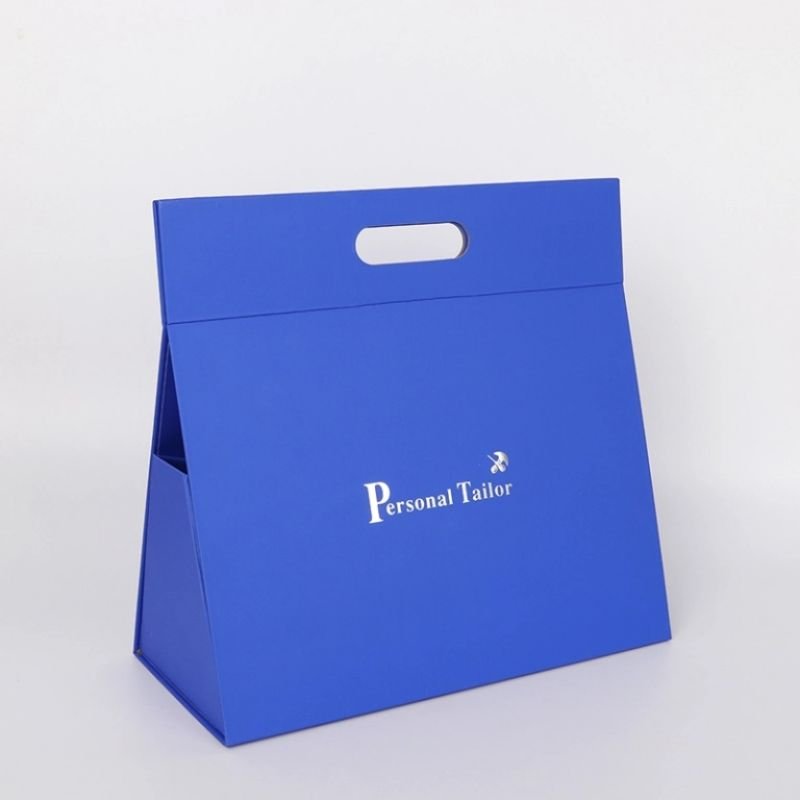
Cosmetic packaging box manufacturers are factories that design, print, and convert custom boxes for beauty and skincare brands — typically rigid gift boxes, folding cartons, and eco paper packaging produced to your exact dimensions, finishes, and branding. For US B2B buyers, the real question isn’t whether these manufacturers exist, but which ones can match your product line, sustainability goals, and unit economics without creating quality or communication headaches.
This guide walks through the product formats, customization options, materials, pricing logic, and supplier-selection criteria that matter most when you’re sourcing cosmetic packaging at scale.
What Cosmetic Packaging Box Manufacturers Actually Produce
“Cosmetic packaging” covers a wide range of structures, and the manufacturer you choose should be comfortable across most of them. The most common formats for beauty and personal care brands include:
- Rigid gift boxes — thick chipboard wrapped in printed paper, used for skincare sets, fragrance, and premium launches.
- Folding cartons — lightweight SBS or FBB board boxes for serums, creams, and single-SKU retail.
- Magnetic closure boxes — rigid boxes with hidden magnets for a luxury unboxing feel.
- Drawer and sleeve boxes — sliding structures popular for gift-with-purchase and holiday kits.
- Eco paper packaging — recycled, FSC-certified, or seed paper boxes for sustainability-forward brands.
If your line includes both a $12 lip balm and a $180 serum set, you’ll want a manufacturer who can scale structure and finish to match price tier — not force one box style across everything.
Customization Options That Drive Shelf Presence
Customization is where cosmetic packaging earns its keep. On a crowded Sephora or Ulta shelf, and in a TikTok unboxing video, the box is part of the product experience. The highest-impact custom elements include:
- Structural design — custom die-lines, inserts, and trays that hold bottles and jars securely.
- Printing — offset, digital, and specialty techniques including Pantone matching.
- Finishes — soft-touch lamination, matte or gloss varnish, spot UV, foil stamping, and embossing.
- Interior treatments — custom-printed liners, EVA foam, molded pulp, or seed paper inserts.
- Branding details — logo debossing, ribbon pulls, and QR codes linking to refill or recycling programs.
For brands building a sustainability story, seed paper packaging is a strong differentiator: the box or insert can be planted after use, turning disposal into a brand moment.
Materials: Matching Board, Wrap, and Sustainability Claims
Material choice affects cost, durability, and how defensible your eco claims are. The main options:
- Greyboard / chipboard — the structural core of rigid boxes; heavier grades feel more premium.
- SBS and FBB paperboard — smooth, printable stocks for folding cartons.
- Recycled and FSC-certified paper — supports credible environmental messaging.
- Specialty wraps — textured, metallic, or plantable seed paper for outer surfaces.
If your marketing leans on sustainability, ask manufacturers which certifications they can supply and whether recycled content is verified rather than implied. Vague “eco-friendly” language is a liability in the US market, where regulators and consumers both scrutinize green claims.
How Pricing Works for Custom Cosmetic Boxes
Pricing from cosmetic packaging box manufacturers is driven by a handful of variables, and understanding them helps you negotiate and budget accurately:
- Structure and size — rigid boxes cost more than folding cartons; larger boxes use more board.
- Material grade — thicker greyboard, FSC stock, and specialty wraps raise unit cost.
- Printing and finishing — foil, embossing, and soft-touch add passes and labor.
- Inserts — foam, molded pulp, and seed paper inserts are priced separately.
- Order volume — per-unit cost drops as quantity rises, but the curve flattens quickly.
A practical approach: define your target retail price first, then work backward to a packaging budget of roughly 3–8% of that price for mass-market SKUs, and higher for luxury gifting. Ask for tiered quotes at multiple quantities so you can see where the cost curve bends.
US Market Context: What Buyers Are Asking For
US beauty buyers in 2024–2025 are pushing manufacturers in three directions. First, sustainability with proof — FSC certification, recycled content, and plastic-free inserts. Second, unboxing as content — boxes designed to look good on camera, with satisfying magnetic closures and clean interiors. Third, supply resilience — diversified sourcing after years of port and freight volatility.
Factory-direct sourcing from Asia remains the dominant model for cost-sensitive brands, but the winners are the buyers who treat packaging as a design and compliance project, not just a purchasing transaction.
How to Evaluate and Select a Manufacturer
When you shortlist suppliers, go beyond price. Use this checklist:
- Can they share comparable cosmetic projects and references?
- Do they handle structural engineering in-house, or outsource die-lines?
- Which certifications (FSC, ISO, etc.) can they document?
- How do they manage color consistency across reorders?
- What is their communication cadence and time zone coverage for US buyers?
Ask for a quote on a real SKU with your actual dimensions and finishes — generic price lists tell you very little. If you need rigid structures specifically, review custom gift boxes to see how structural options map to cosmetic sets.
Why Brands Choose BlissPulp as Their Packaging Partner
BlissPulp is a factory-direct custom packaging manufacturer in Wenzhou, China, serving US B2B buyers who want premium quality without trading away control. We specialize in rigid gift boxes, seed paper, and eco paper packaging — all built to your branding, dimensions, and finish specs.
What sets us apart for cosmetic brands:
- Custom branding end to end — structure, print, foil, embossing, and inserts.
- FSC-certified and recycled material options for sustainability-led lines.
- Factory-direct pricing — no trading-company markup.
- English-speaking project support built for US buyers.
Whether you’re launching a single hero SKU or refreshing an entire line, we can quote to your exact spec. Request a quote and we’ll come back with structure recommendations and tiered pricing.
FAQ
Q: What do cosmetic packaging box manufacturers make?
A: They produce rigid gift boxes, folding cartons, magnetic closure boxes, drawer boxes, and eco paper packaging — custom-printed and finished for beauty and skincare brands.
Q: How much do custom cosmetic boxes cost?
A: Pricing depends on structure, material, printing, and quantity. Rigid boxes cost more than folding cartons; per-unit cost drops as volume rises.
Q: Can I source FSC-certified cosmetic packaging from China?
A: Yes. Many factory-direct manufacturers, including BlissPulp, offer FSC-certified and recycled paper options with documentation for US compliance needs.
