
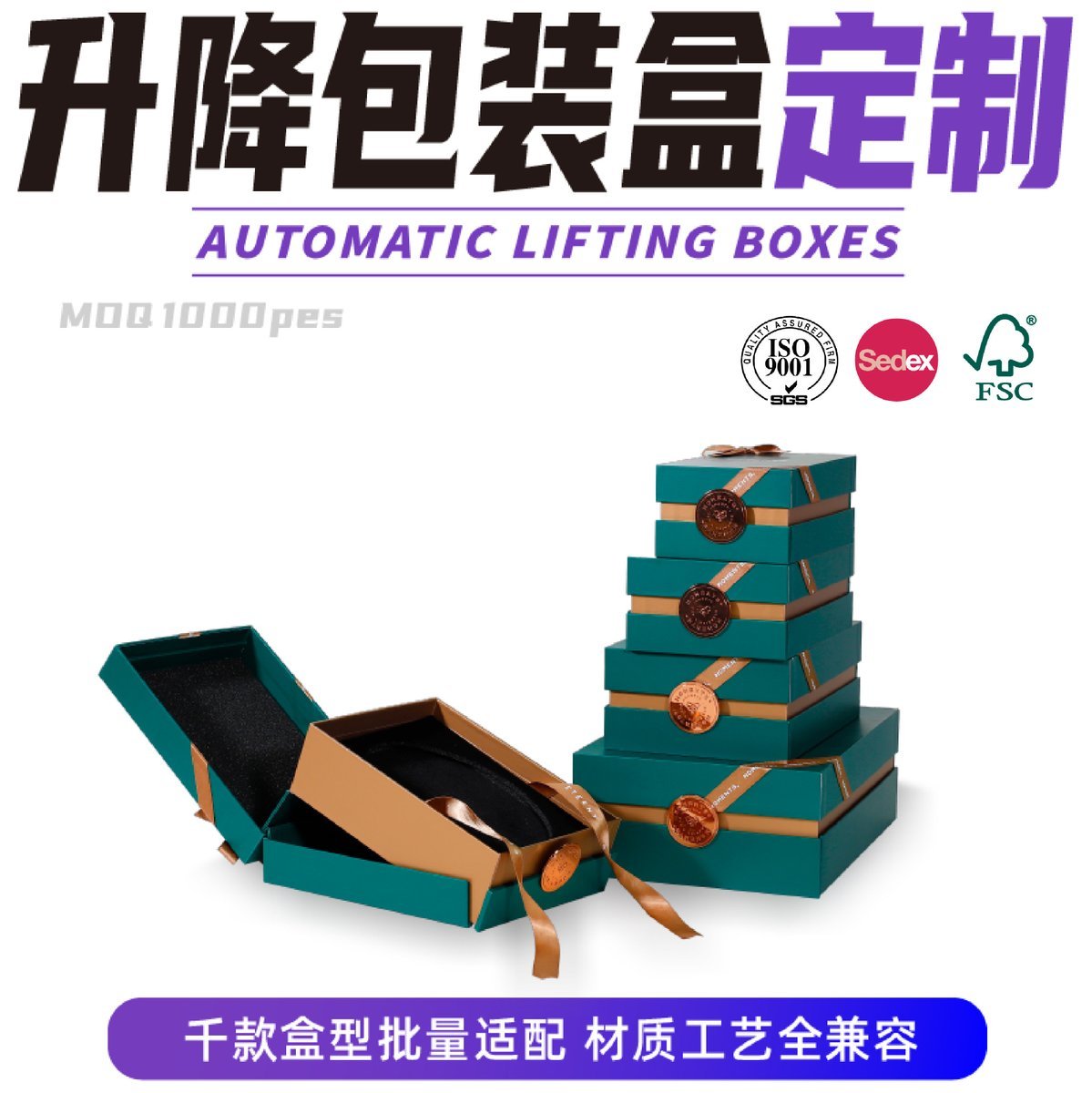
If you’re choosing between a flip-top box and a book-style box for your product packaging, the flip-top box is generally the better choice for frequent access and retail shelf presence, while a book-style box excels in premium unboxing and gifting scenarios. Your decision hinges on how customers use the package, your budget, and the brand story you want to tell. Read on for a practical B2B comparison to guide your next custom packaging order.
Understanding the Flip-Top Box
A flip-top box (also called a hinged-lid or cigarette-style box) features a lid that stays attached to the base, opening like a clamshell. It’s commonly used for cosmetics, electronics, and subscription products where the user needs to open and close the package repeatedly. The lid can be magnetic, tuck-end, or friction-fit.
From a manufacturing perspective, flip-top boxes are efficient because the lid and base are produced as one integrated piece, reducing material waste and assembly time. This often makes them more cost-effective than two-piece book-style boxes at scale.
Understanding Book-Style Boxes
A book-style box (or two-piece rigid box) has a separate lid that fully detaches from the base, mimicking the look of a hardcover book. It’s the gold standard for luxury items—think high-end jewelry, premium tech gadgets, and artisan chocolates. The open reveal feels ceremonial, which is why many brands use it for first-impression unboxing experiences.
However, because the lid is separate, book-style boxes require more material and labor to produce. They also take up more storage space during shipping and warehousing, which can affect your freight costs.
Key Differences at a Glance
- Open/Close Experience: Flip-top allows one-handed access; book-style requires two hands to remove the lid.
- Structural Strength: Both use rigid board, but flip-top hinges can wear over time; book-style lids stay intact.
- Perceived Value: Book-style reads as more premium; flip-top is modern and functional.
- Cost Efficiency: Flip-top uses less material and is faster to assemble, lowering unit cost.
- Customization Range: Both accept full-color printing, foil stamping, and embossing, but flip-top offers more interior printing options.
Customization and Branding Options
Both styles allow extensive customization, but your choice affects how you can showcase your brand. On a flip-top box, the lid’s front panel is prime real estate for logos and taglines. The inside of the lid can be printed with product care instructions or a QR code—something book-style boxes don’t offer as naturally.
Book-style boxes, on the other hand, allow for deeper structural embellishments. You can add ribbon pulls, foam inserts, or a magnetic closure to the lid. If your product is a high-ticket item, a book-style box with a custom insert positions it as a keepsake.
For both, you can choose from materials like custom rigid paperboard, textured paper wraps, or sustainable options like seed paper for an eco-friendly twist. Seed paper can be used as a decorative wrap or as an insert card that grows into wildflowers—a memorable touch for any style.
Material and Sustainability Considerations
US buyers increasingly prioritize eco-friendly packaging. Both flip-top and book-style boxes can be made from FSC-certified paperboard and recycled content. However, flip-top boxes have a slight edge in sustainability because they use less material per unit—no separate lid means fewer raw materials and lower shipping weight.
If you’re aiming for a plastic-free design, flip-top boxes with a tuck-end closure avoid magnets or adhesives, making them easier to recycle. Book-style boxes often use magnets or ribbons, which may require disassembly before recycling. Consider your end-of-life goals when choosing.
BlissPulp offers FSC-certified options for both styles, and we can help you balance durability with recyclability. Our team can guide you on the best board thickness and paper wrap to meet your sustainability targets without compromising structure.
Pricing Guidance for US Buyers
Cost is a major factor for B2B orders. Generally, a flip-top box is 10–20% cheaper than a comparable book-style box due to lower material and labor costs. However, the difference narrows if you add complex features like magnetic closures or multi-layer inserts.
For volume orders, flip-top boxes are more economical because they stack flat and assemble quickly. Book-style boxes, while more expensive, can justify a higher retail price point. As a US purchasing manager, calculate your unit cost against your product’s margin. If you’re launching a new product, starting with a flip-top box allows you to test the market without over-investing in packaging.
BlissPulp provides transparent pricing based on your specifications. We encourage you to request a quote with your dimensions and design to see the cost difference for your exact project.
US Market Context: What Are Consumers Expecting?
American consumers have clear preferences when it comes to packaging. In e-commerce, unboxing videos on TikTok and Instagram have made packaging a viral marketing tool. A book-style box’s dramatic reveal often performs better in these videos, but a well-designed flip-top box with a custom interior can be just as shareable.
For retail shelves, flip-top boxes are easier for shoppers to handle and inspect. They also fit more efficiently on store displays, maximizing your shelf space. Book-style boxes, with their larger footprint, may require premium shelf placement to be effective.
Consider your sales channels: If you sell primarily online, book-style boxes add perceived value. If you’re in physical retail, the practicality of flip-top may win. Some brands use book-style for limited editions and flip-top for core products, giving you flexibility.
Sourcing Tips: Choosing the Right Supplier
When sourcing from overseas, especially from China’s packaging hub in Wenzhou, you need a supplier who understands US market standards. Look for factories that offer factory-direct pricing, like BlissPulp, to avoid middleman markups.
Ask for technical specifications, including board thickness, hinge durability, and printing tolerances. A reliable supplier will provide structural drawings (die-lines) for your approval before production. Also, verify their environmental certifications if sustainability is key to your brand.
BlissPulp’s team works closely with US buyers to refine designs for manufacturability, ensuring your flip-top or book-style box meets both aesthetic and functional needs. We handle everything from material selection to finishing touches, so you receive packaging that aligns with your brand’s promise.
Why Choose BlissPulp for Your Custom Boxes
BlissPulp is a factory-direct manufacturer in Wenzhou, China, specializing in rigid gift boxes, seed paper, and eco paper packaging. We serve US B2B clients with custom branding, FSC-certified materials, and competitive pricing. Whether you choose a flip-top box for its efficiency or a book-style box for its luxury appeal, we produce with precision and care.
Our in-house design team can help you maximize the impact of your chosen style, from material selection to surface finishes. We also offer seed paper packaging for brands that want to add a sustainable, interactive element to their unboxing experience.
Ready to elevate your product packaging? Request a quote today and let BlissPulp bring your vision to life with factory-direct savings.
FAQ
Q: What is the main difference between a flip-top box and a book-style box?
A: A flip-top box has a hinged lid that stays attached, while a book-style box has a separate lid that lifts off. Flip-top is more functional; book-style feels more premium.
Q: Which box style is more cost-effective for large orders?
A: Flip-top boxes are generally more cost-effective because they use less material and are faster to assemble. Book-style boxes cost more but can support a higher retail price.
Q: Can both box styles be made with sustainable materials?
A: Yes, both can use FSC-certified paperboard and recycled content. Flip-top boxes have a smaller environmental footprint due to less material, but book-style can also be eco-friendly.
