For US B2B buyers, a food-safe chocolate box must meet FDA-compliant material standards, protect against grease and moisture, and elevate the unboxing experience—all while staying cost-effective for your margins. Whether you’re a chocolatier, a subscription box brand, or a corporate gift supplier, choosing the right custom chocolate box is about balancing safety, design, and budget. This guide covers everything from material selection to supplier vetting, so you can make a confident purchase.
Why Food-Safe Chocolate Boxes Matter More Than Ever
The US market is seeing a surge in premium chocolate sales, driven by gifting and direct-to-consumer brands. But with that growth comes stricter scrutiny on packaging safety. The FDA regulates food-contact packaging under 21 CFR, and your chocolate box must not transfer harmful substances or affect the flavor. Beyond compliance, food-safe packaging also prevents oil staining from chocolate’s cocoa butter, which can ruin a beautiful design.
For B2B buyers, this isn’t just about checking a box—it’s about protecting your brand reputation. A single contamination issue or a smudged wrapper can lead to returns and negative reviews. That’s why sourcing from a factory that understands food-grade materials is non-negotiable.
Key Materials for Food-Safe Chocolate Boxes
Your chocolate box’s material determines its safety, durability, and perceived value. Here are the most common options:
- Food-grade paperboard – Made from virgin or recycled fibers, coated with FDA-compliant finishes (e.g., water-based or PE coating) to resist grease and moisture.
- Kraft paper – A natural, eco-friendly choice; ensure it has a food-safe inner lining or coating to prevent oil migration.
- Corrugated cardboard – Ideal for shipping heavier chocolate assortments; use food-safe inks and adhesives.
- Rigid boxes – Premium feel for luxury chocolates; often lined with food-safe tissue or PET film.
When choosing, ask your supplier for material certifications like FDA 21 CFR 176.170 (paper and paperboard) or BRCGS for food packaging. At BlissPulp, we offer FSC-certified options and can provide documentation to support your compliance needs.
Customization: Beyond Just Printing Your Logo
Custom chocolate boxes aren’t just about slapping a logo on a stock box. You can customize:
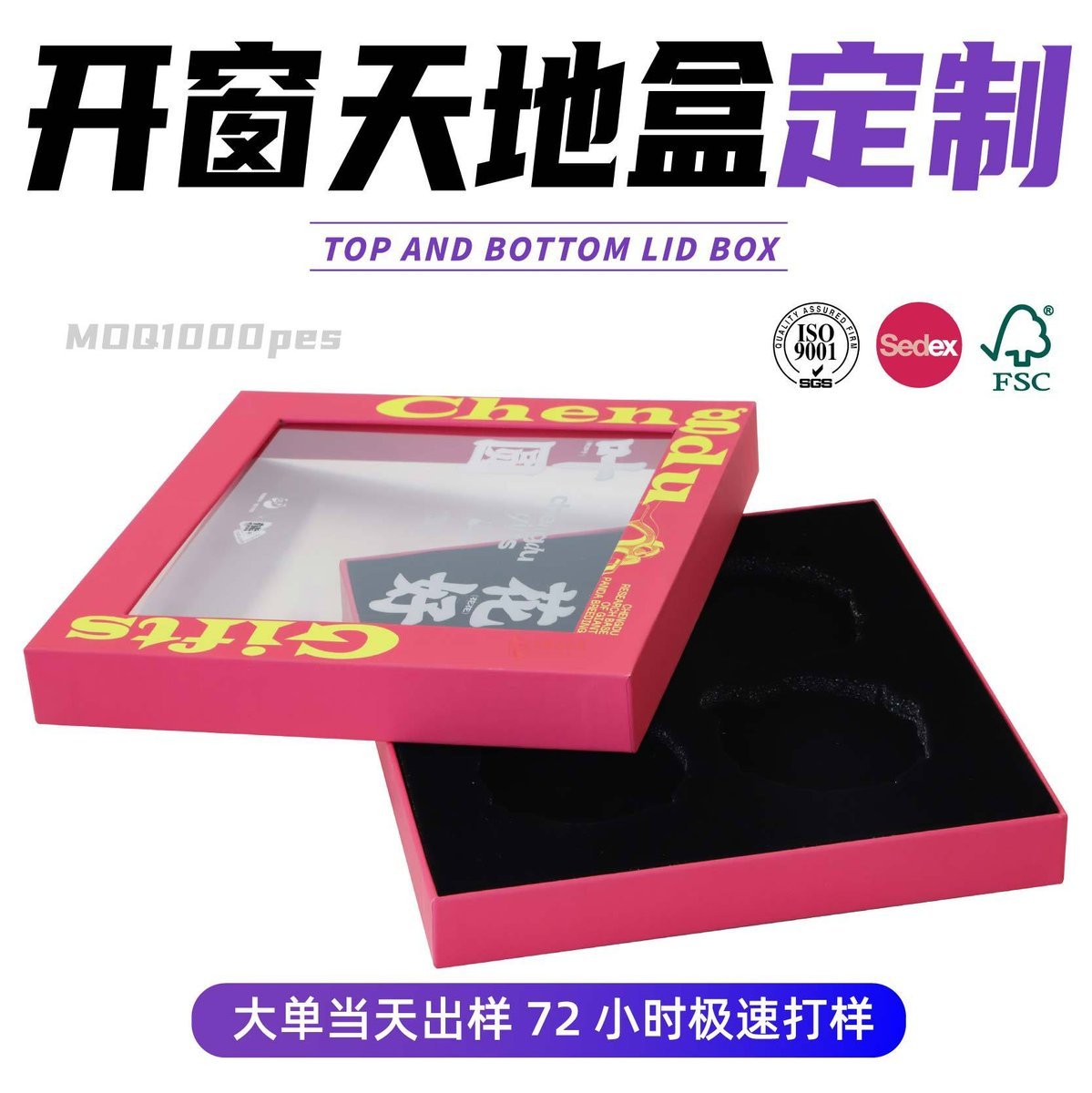
- Size and shape – From square boxes to heart-shaped or windowed designs that showcase your chocolates.
- Inserts and dividers – Molded pulp or paperboard inserts that hold each chocolate securely, preventing breakage.
- Finishing touches – Foil stamping, embossing, or soft-touch lamination to add a tactile premium feel.
- Closures – Magnetic clasps, ribbons, or tuck-end flaps, depending on your unboxing experience.
For example, a rigid gift box with a magnetic closure instantly signals luxury, while a tuck-end paperboard box is more cost-effective for everyday retail. Your choice should align with your brand positioning and the chocolate’s price point.
Eco-Friendly Chocolate Packaging: A Competitive Edge
US consumers increasingly expect sustainable packaging. According to a recent survey, 67% of shoppers consider eco-friendly packaging when buying food. For chocolate, that means:
- Using recyclable or compostable materials like seed paper for inserts or outer wraps.
- Minimizing plastic liners—opt for water-based coatings instead.
- Designing for easy disassembly (e.g., no mixed-material laminations).
At BlissPulp, we specialize in custom gift boxes made from recycled paperboard and offer seed paper as an innovative, plantable element that tells your brand’s sustainability story. This not only impresses your customers but also helps you meet corporate sustainability goals.
Pricing Guidance for Chocolate Boxes
Understanding cost drivers helps you budget better. Here’s what affects pricing:
- Material type – Rigid boxes cost more than folding cartons due to thicker board and assembly labor.
- Size and complexity – Larger boxes, custom inserts, and intricate dies increase tooling and production costs.
- Finishes – Foil stamping and embossing add premium cost but can justify a higher retail price.
- Quantity – While we won’t dwell on minimums, larger orders generally reduce per-unit cost.
As a rule of thumb, a standard paperboard chocolate box (e.g., 8x6x2 inches) with basic printing might range from $0.50 to $2.00 per unit, depending on quantity and finishes. Rigid boxes start around $2.50 and can go up to $6+ for premium features. Always request a detailed quote to compare apples to apples.
US Market Trends: What Buyers Expect in 2025
The chocolate packaging landscape is evolving. Here’s what we’re seeing:
- Gifting boom – Chocolate boxes are a top corporate gift, so demand for premium, reusable boxes is rising.
- Personalization – Short-run customization for events (weddings, holidays) is growing, even for small brands.
- Transparency – Labels that show ingredient sourcing and packaging recyclability are becoming standard.
- Unboxing experience – Brands are adding QR codes, tissue paper, and thank-you notes to create a memorable moment.
By aligning your packaging with these trends, you can differentiate your brand and increase customer loyalty.
Sourcing Tips: How to Vet a Custom Packaging Supplier
Not all packaging factories are created equal, especially when it comes to food safety. Here’s a checklist for US buyers:
- Check certifications – Look for ISO 9001, FSC, and food-contact material compliance (FDA or EU equivalent).
- Ask about production processes – Ensure they separate food-grade materials from non-food items to avoid cross-contamination.
- Request a quote, not just a price – Ask for a detailed breakdown including material specs, finishing options, and compliance documentation.
- Evaluate communication – A supplier that understands US market nuances (e.g., holiday seasons) is a plus.
Working directly with a factory like BlissPulp eliminates middlemen, giving you better pricing and more control over quality. Plus, our team is experienced with US compliance standards.
Why Choose BlissPulp for Your Chocolate Boxes
At BlissPulp, we’re a factory-direct custom packaging manufacturer based in Wenzhou, China, serving US B2B buyers for over a decade. We specialize in custom gift boxes and eco-friendly paper packaging, including chocolate boxes that are both food-safe and stunning.
- FSC-certified materials and FDA-compliant coatings
- Full customization: size, inserts, finishes, and even seed paper elements
- Direct factory pricing without middlemen
- Proven track record with US chocolate brands and gift companies
Ready to create a chocolate box that your customers will love? Get a quote today and let’s bring your vision to life.
FAQ
Q: What materials are safe for chocolate boxes?
A: FDA-approved paperboard, kraft paper, and corrugated cardboard with food-safe coatings. Avoid materials with high acid content or that transfer odors.
Q: Can I order small quantities for a pilot run?
A: Yes, we offer flexible ordering to help you test the market. Request a quote to discuss your specific quantity needs.
Q: How do I ensure my chocolate box is eco-friendly?
A: Choose recycled or FSC-certified paper, use water-based coatings, and avoid plastic lamination. Adding seed paper inserts is a unique sustainable touch.
