
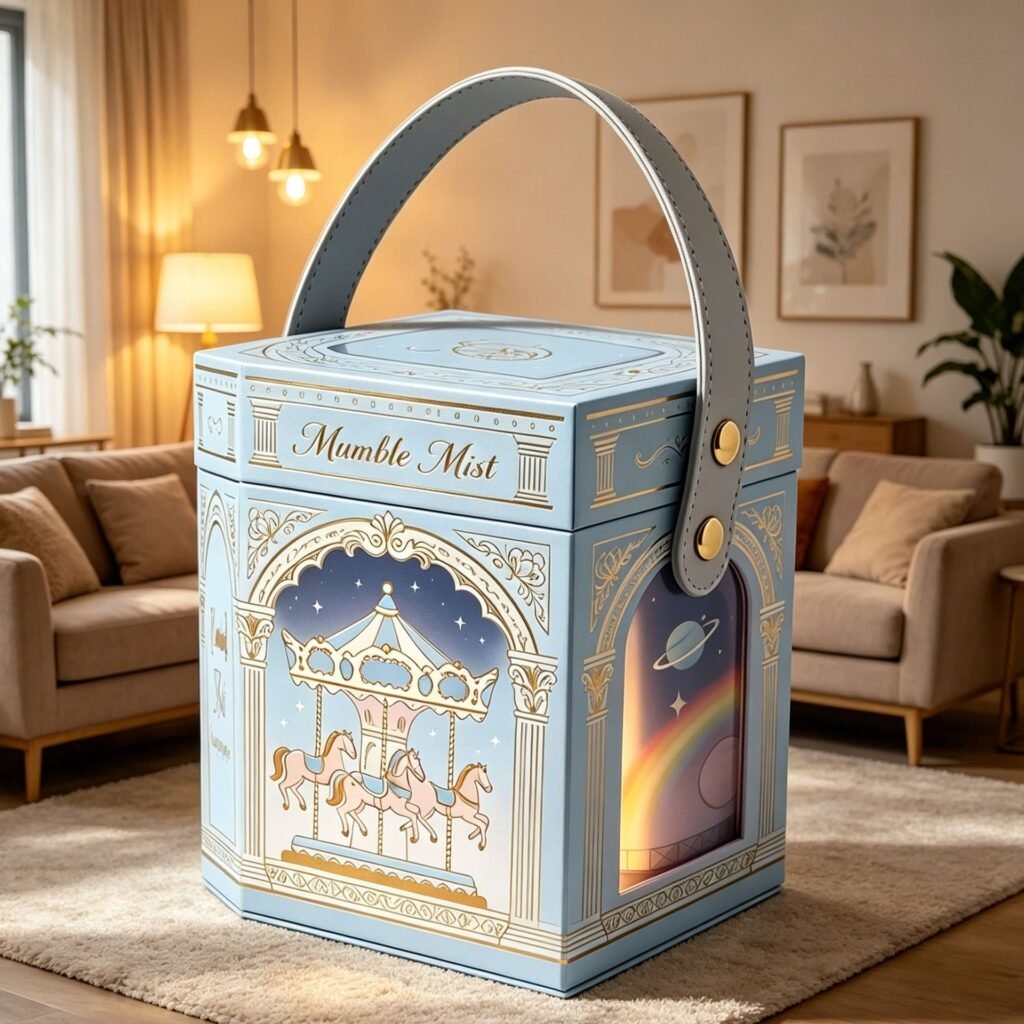
How to Choose Cosmetic Packaging Boxes for a Small Beauty Brand
For a first-time beauty brand, choosing cosmetic packaging boxes can seem like a simple design decision. In reality, packaging affects product protection, shipping costs, shelf presentation, sustainability, labeling, and the customer’s unboxing experience.
A box that looks impressive may not be practical for shipping. A lightweight carton may reduce material use but provide a different presentation from a rigid box. A highly decorated package may attract attention but add unnecessary complexity.
For small beauty brands, the goal is not necessarily to choose the most expensive or elaborate packaging. It is to find a structure that fits the product, sales channel, brand identity, and budget.
1. Start With the Product, Not the Artwork
One of the most common mistakes is starting with the graphics before deciding how the product needs to be packaged.
Consider the actual product first:
- What is its size and weight?
- Is it fragile?
- Is it made from glass, plastic, metal, or another material?
- Does it need internal support?
- Will it be shipped directly to consumers?
- Will customers carry or store the product after opening?
A glass serum bottle, for example, has different protection requirements from a lightweight cosmetic tube.
The packaging structure should respond to these requirements before colors, typography, and decorative finishes are finalized.
2. Stock Boxes vs. Custom Cosmetic Packaging
Small brands generally have two broad options: stock packaging structures and fully customized packaging.
Stock Packaging
Stock boxes use existing structures and sizes.
They can be useful when:
- The product fits a standard size
- The brand is testing a new product
- Packaging complexity needs to stay low
- The package itself isn’t the main differentiator
The advantage is simplicity. The brand can focus more on artwork and labeling without developing a completely new structure.
Custom Packaging
Fully custom packaging allows the structure to be designed around the product.
This can be useful when:
- The product has an unusual shape
- Internal protection is important
- The brand wants a distinctive opening experience
- The packaging needs to support a particular retail presentation
Custom doesn’t automatically mean better. The additional structural work should solve a real problem or create meaningful value.
3. Folding Cartons vs. Rigid Boxes
The choice between folding cartons and rigid boxes is one of the most important packaging decisions.
| Feature | Folding Carton | Rigid Box |
|---|---|---|
| Weight | Generally lighter | Generally heavier |
| Storage | Efficient | Requires more space |
| Shipping | Often more efficient | Can add dimensional weight |
| Structure | Flexible | More substantial |
| Premium feel | Depends on design | Often more substantial |
| Material use | Often lower | Generally higher |
| Typical use | Mass-market cosmetics | Premium products and gift sets |
Folding cartons are widely used for cosmetic products because they can provide good print quality while remaining relatively lightweight and efficient to store.
Rigid boxes can create a more substantial presentation and can provide strong structural protection, but they generally require more material and can increase shipping and handling costs.
Neither format is automatically the right choice.
The decision should start with the product and sales channel.
4. Skincare and Makeup May Need Different Approaches
Different beauty categories can have different packaging priorities.
Skincare
Skincare packaging often needs to communicate cleanliness, quality, and product information.
A minimalist structure can work particularly well when the brand wants a simple and controlled visual identity.
However, protection remains important. A glass serum bottle or cream jar may require more internal support than a lightweight tube.
Makeup
Makeup packaging often has more opportunities for color, tactile finishes, and visual differentiation.
Products such as pressed powders, palettes, foundations, and lip products may also benefit from compact structures that are easy to store and carry.
This doesn’t mean makeup packaging must be highly decorative. The structure should still support the product and the way customers use it.
5. Think About Cost Beyond the Box
For a small brand, the packaging price per unit is important—but it isn’t the entire packaging cost.
Consider the total impact of the packaging on:
- Product protection
- Shipping weight
- Storage space
- Packaging assembly
- Returns caused by damage
- Retail presentation
- Customer experience
A cheaper box isn’t necessarily cheaper overall if it provides insufficient protection.
Likewise, a more expensive rigid box may not provide enough additional value to justify its additional material and shipping requirements.
This is why comparing only the unit price can lead to misleading conclusions.
6. The Unboxing Experience Matters, But It Doesn’t Need to Be Complicated
Packaging is often the first physical interaction a customer has with a product.
That makes the opening experience important.
But a good unboxing experience doesn’t necessarily require multiple layers, elaborate inserts, ribbons, foil, or complicated structures.
Sometimes the most effective experience comes from simple things:
- The product fits securely
- The box opens easily
- Nothing moves unnecessarily
- The information is easy to understand
- The materials feel appropriate for the product
- The packaging doesn’t create unnecessary waste
A package can feel premium because it is well considered—not simply because it contains more decorative elements.
7. Sustainability Should Be Considered Early
Sustainability is easier to address during the packaging design stage than after everything has already been finalized.
Material selection, coatings, laminations, foil, adhesives, inserts, and structural complexity can all affect the overall material profile of a package.
For paperboard cosmetic cartons, SBS and FBB are commonly used materials, with specifications often selected according to the size, structure, and weight of the product. Paperboard in the general 300–400 gsm range is widely used for many carton applications, but the appropriate specification depends on the actual packaging requirements.
The important point is not to select a material simply because it sounds environmentally friendly.
Instead, consider the complete package:
Material + structure + printing + finishing + shipping + end-of-life
A smaller, appropriately sized box may sometimes reduce material and shipping requirements without changing the visual identity of the brand.
8. Don’t Forget Regulatory and Labeling Space
Packaging design isn’t only about appearance.
Depending on the market and product, the package may need space for information such as:
- Ingredients
- Product information
- Batch or lot codes
- Barcodes
- Warnings
- Responsible-party information
- Other required labeling
These requirements should be considered before the artwork is finalized.
A common problem is creating a visually attractive package and then discovering that the required information doesn’t fit naturally into the design.
Leave the necessary space from the beginning.
9. Test the Actual Product Before Scaling Up
Digital mockups are useful, but they cannot answer every packaging question.
Before committing to a larger production run, test the actual product inside the proposed structure.
Look at:
Fit
Does the product move around?
Protection
Can the structure handle normal handling and shipping conditions?
Opening
Can customers open the package easily?
Appearance
Does the finished material look like the digital design?
Information
Are labels, barcodes, and other required details readable and properly positioned?
Storage
Can the packaging be stored efficiently?
A small trial can expose problems before they become expensive production problems.
10. Think About the Sales Channel
Packaging requirements can change depending on how the product reaches the customer.
Retail
Shelf visibility and product recognition can be important.
Ecommerce
Shipping protection, package dimensions, weight, and opening experience may receive more attention.
Subscription
The packaging may need to work efficiently inside another shipping box.
Gift Sets
Presentation and opening experience may become more important.
A structure that works perfectly for retail may not be the most efficient solution for direct-to-consumer shipping.
11. Consider Secondary Uses
Another useful question is what happens after the customer opens the package.
Could the box also work for:
- Product storage
- Gift presentation
- Retail display
- Subscription packaging
- Refill programs
- Reuse
Not every package needs a secondary purpose, but considering the complete customer journey can help avoid designing a package that only works for the first few seconds of the unboxing experience.
12. A Simple Decision Framework
For a small beauty brand, the decision can be simplified into five questions:
1. What does the product need for protection?
2. Where will the product be sold and shipped?
3. What level of presentation does the brand actually need?
4. What sustainability goals should influence the material and finishing choices?
5. What information and labeling space must be included?
Once these questions are answered, the choice between a folding carton, rigid box, mailer-style structure, or another format becomes much clearer.
Final Thoughts
Good cosmetic packaging is a balance.
A small beauty brand doesn’t necessarily need the most elaborate box. It needs packaging that protects the product, communicates the brand, works within the shipping environment, provides a good customer experience, and makes sense from a material and cost perspective.
Folding cartons can be practical and efficient. Rigid boxes can create a more substantial presentation. Custom structures can solve specific product or branding challenges. Simpler packaging can sometimes provide a better experience than packaging filled with unnecessary decorative elements.
The best starting point is therefore not:
“What is the most premium box we can make?”
Instead, ask:
“What does this product, this customer, and this sales channel actually need from the packaging?”
That question usually leads to a much more practical packaging decision.
